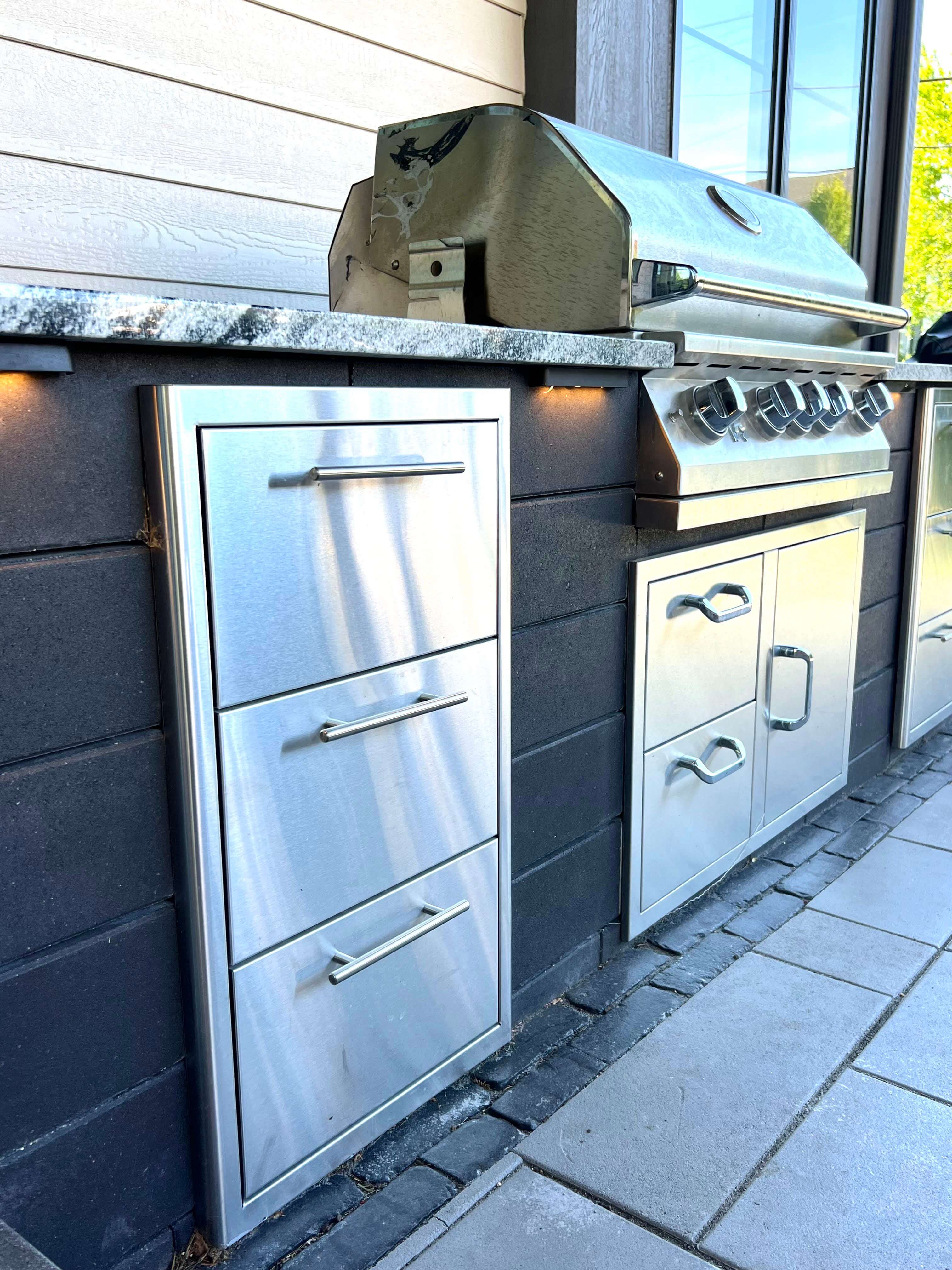

What Is Hardscaping? Definition, Examples, Ideas and How It Works
Hardscaping is the non-living, built part of a landscape: the patios, walkways, driveways, retaining walls, steps and other structures made from materials like pavers, brick, natural stone, concrete and wall block. If landscaping is the plants, lawn and soil, hardscaping is the structure that holds the whole yard together and makes it usable.
This guide answers the question "what is hardscaping?" in plain terms. It covers the hardscape definition, how hardscape differs from softscape and landscaping, the most common materials, how hardscape construction works, hardscaping ideas for Illinois yards, a closer look at the hardscape patio, what affects cost and how to maintain what you build. GoldLeaf Landscape | Hardscape is a family-owned company in Aurora serving the western suburbs, so we also explain what matters in Chicagoland soil and weather.
Hardscape definition: what is hardscaping?
Hardscape definition: hardscape refers to the hard, non-living materials and structures in an outdoor space, such as paving, walls, steps, edging and built features. Hardscaping is the work of designing and building them.
People also ask what's hardscaping in practice. In practice, it is any part of a yard you could not water, mow or prune. A paver patio, a flagstone path, a segmental retaining wall, a set of stone steps and a fire pit area are all hardscaping. So is the less visible work that supports them: excavation, a compacted stone base, drainage and edge restraint.
Hardscape vs. softscape
Landscape designers split a yard into two categories. Hardscape is the hard stuff: stone, brick, pavers, concrete, wood structures and metal. Softscape is the living stuff: lawn, trees, shrubs, flowers, mulch beds and soil. A good yard uses both, and each one makes the other look better. Hard surfaces give plantings clean edges and places to sit, while plants soften the lines of walls and patios.
Hardscape landscape: how the two work together
The phrase "hardscape landscape" sounds like a contradiction, but the two are partners. The hardscape sets the layout, and the landscape fills in around it. Hardscapes landscaping works best when both are planned at the same time, because decisions about one affect the other:
- Drainage: a patio sheds water onto the lawn or beds, so the grade has to be planned before either is built.
- Tree roots: digging near trees can damage roots, and the University of Illinois Extension explains how to protect trees and their roots during construction projects.
- Plant selection: beds beside a south-facing wall or patio run warmer and drier than open lawn.
- Sequence: heavy hardscape work usually comes first, then sod and planting, so the finished lawn is not torn up by equipment.
Common hardscape materials
The material you pick changes the look, the installation method and the long-term care. These are the options we see most often in Illinois.
- Concrete pavers: factory-made interlocking units in many shapes, colors and textures. They are flexible, repairable and widely used for patios, walkways and driveways.
- Clay brick: a classic look with rich, lasting color, common on older homes and traditional designs.
- Natural stone: flagstone, limestone and similar materials with irregular shapes and one-of-a-kind patterns.
- Poured concrete: a continuous slab that is economical for large flat areas, though it can crack as the ground moves.
- Segmental wall block: interlocking blocks used for retaining walls, seat walls and steps.
- Gravel and crushed stone: used for paths, drainage and as the base layer under most other hardscapes.
See our brick paving service for what we install in the Aurora area.
How hardscape construction works
Hardscape construction is mostly about what you cannot see afterward. The surface is the last step; the steps before it determine whether the job lasts. A typical sequence looks like this:
- Design and layout: measure the site, decide how the space will be used and mark the outline.
- Utility locating: in Illinois, JULIE marks underground utilities for free before anyone digs.
- Excavation: remove sod, soil and any old surface to the depth the design calls for.
- Base installation: place crushed stone in layers and compact each one. The Concrete Masonry & Hardscapes Association describes proper practice in technical notes such as PAV-TEC-002.
- Bedding and laying: screed a thin bedding layer, then set pavers, brick or stone in the chosen pattern.
- Edge restraint: install borders that lock the surface in place so it cannot spread.
- Joints and compaction: sweep joint material into the gaps and compact the surface.
- Final grading and cleanup: regrade the surrounding soil, restore the lawn and remove debris.
Retaining walls follow their own rules. The Masonry Society publishes best practices for segmental retaining walls that explain why drainage, reinforcement and proper base work matter, especially on taller walls.
Why Illinois changes the rules
Hardscape that works in a mild climate can fail here. Two local conditions matter most:
- Freeze-thaw cycles: water in the ground expands as it freezes and pushes surfaces upward. A well-drained, well-compacted base gives that water somewhere to go.
- Clay-heavy soil: clay holds water, which makes drainage planning and base depth more important.
This is why "cheap and fast" hardscape often shows problems after a few winters, and why the base is the part of a quote worth asking about.
Hardscaping ideas for Illinois yards
If you are collecting hardscape ideas, start with how you want to use the space and work backward. These are some of the most popular hardscaping ideas for homes in the western suburbs:
- A paver patio for dining and lounging, sized for a table and chairs with room to walk around them.
- A curved walkway from the driveway to the front door that adds curb appeal.
- Seat walls that double as extra seating around a patio.
- A fire pit area with a paved pad and room for chairs.
- Stone steps that connect different levels of a sloped yard.
- A retaining wall that turns a slope into flat, usable space or planting terraces.
- Paver borders and inlays that add detail to a plain surface.
- Low-voltage landscape lighting that makes hardscape usable after dark.
For more detail and layouts, read our full hardscape design ideas guide, and for yard-specific plans see our backyard hardscape ideas.
The hardscape patio
A hardscape patio is the most common first project, and it shows how all the pieces fit together. It is a built outdoor floor, usually of pavers, brick or natural stone, set over a compacted base with edge restraint and drainage planned around it.
When planning one, think about:
- Size: a space that feels roomy with furniture on it is bigger than most people expect.
- Location: sun, shade, views and distance from the kitchen all affect how often you will use it.
- Slope: a patio needs a slight pitch away from the house so water drains away.
- Connections: think about how it links to doors, steps and walkways.
- Extras: seat walls, fire features and lighting are easiest to add during the original build.
Our post on patio and landscape design ideas goes deeper on layouts, and our patio installation service explains how we build them.
What affects the cost of hardscaping
There is no single price for hardscaping, because the site matters as much as the design. The main cost drivers are:
- Size and complexity: curves, patterns and many cuts take more labor.
- Material: pavers, brick and natural stone differ in cost and installation time.
- Access: tight gates and long hauls add labor.
- Grade changes: slopes call for walls, steps and more drainage work.
- Existing surfaces: removing old concrete or pavers adds a demolition step.
A written estimate after a site visit is the only reliable number.
Maintaining hardscape
Hardscape is low maintenance, not no maintenance. A few habits extend its life:
- Sweep debris and keep joints filled so weeds and ants have less room.
- Fix standing water and settled spots early, before they spread.
- Clean spills and stains promptly.
- Ask your installer whether sealing makes sense for your material and use.
- Be careful with de-icing products and shovels in winter, and follow the manufacturer's guidance for your material.
Hardscaping mistakes to avoid
- Skipping the base or making it too thin
- Ignoring drainage and slope
- Building without locating underground utilities
- Choosing a patio size that is too small for furniture
- Planning hardscape and plantings separately
- Hiring on price alone without comparing what is under the surface
When you are ready to hire, our guide on how to choose a hardscape contractor lists the questions to ask and the red flags to watch for.
Frequently asked questions
What is hardscaping? Hardscaping is the non-living, built part of a landscape, such as patios, walkways, driveways, retaining walls, steps and fire pit areas, made from materials like pavers, brick, stone, concrete and wall block.
What is the difference between hardscape and landscape? Hardscape is the hard, built elements. Landscape is a broader term for the whole outdoor space, which includes both hardscape and softscape such as lawn, trees, shrubs and flowers.
What is the hardscape definition in landscaping? In landscaping, hardscape means the non-living materials and structures in a yard, and hardscaping means designing and building them.
What are some hardscaping ideas for a backyard? Popular ideas include a paver patio, a fire pit area, seat walls, stone steps, a curved walkway, a retaining wall and landscape lighting.
How long does hardscape construction take? It depends on size, materials, access and weather, so ask your contractor for a written schedule after a site visit.
Does hardscaping add value to a home? Well-built hardscape can improve curb appeal and make outdoor space more usable, but the effect on resale value varies by home and market.
Plan your hardscape with GoldLeaf
GoldLeaf Landscape | Hardscape designs and installs patios, brick and paver surfaces, retaining walls and outdoor living spaces in Aurora and the western suburbs, with a 5-year workmanship warranty. Browse our recent projects, then request a free consultation, call 630-270-4324 or email info@goldleaflandscape.net.
Get a Free Consultation for Your Backyard