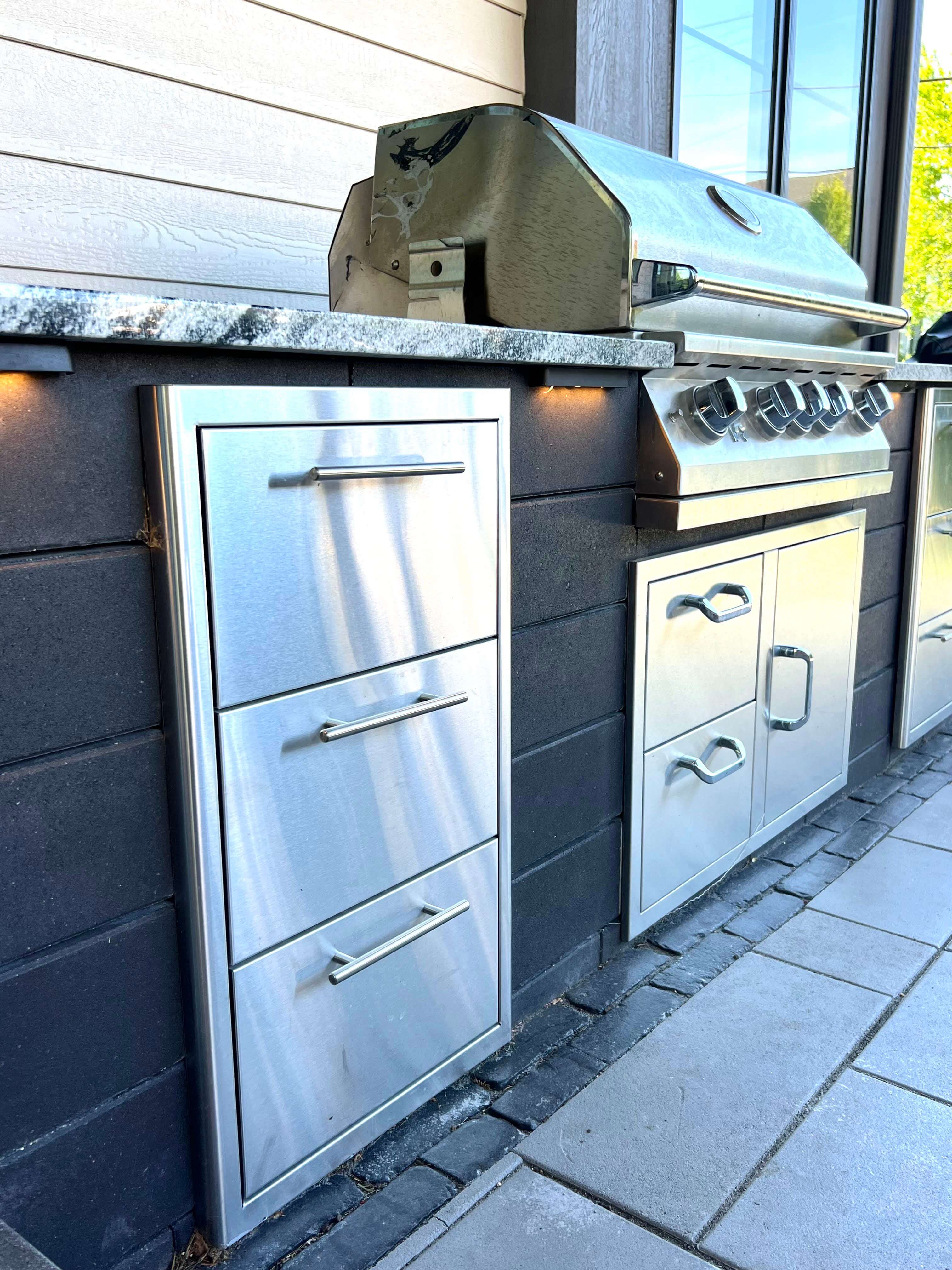

Hardscape Contractors: How to Choose One and What to Expect
Hardscape contractors build the permanent, non-living parts of a yard: patios, walkways, driveways, steps, retaining walls, fire pit areas and the drainage and bases underneath them. Hiring one is a bigger decision than most homeowners expect, because most of the work is hidden. A surface can look perfect on day one, but the excavation, base and drainage decide whether it still looks good after ten Illinois winters.
This guide covers what hardscape contractors do, how they differ from landscapers and general contractors, what to ask before you sign, how to compare quotes line by line, what affects the price, which red flags to watch for and what the process looks like from first call to final walkthrough.
GoldLeaf Landscape | Hardscape is a family-owned company in Aurora serving the western suburbs. If you want to see our work first, browse our recent projects or our brick and paver services.
If you are still learning the basics, start with our guide to what hardscaping is, which explains the materials and how hardscape construction works.
Hardscape contractor at a glance
- What they build: patios, walkways, driveways, steps, retaining walls, seat walls and fire pit areas.
- What matters most: excavation, compacted base, drainage and edge restraint, since these are hidden once the job is finished.
- What to ask for: proof of insurance, local references, an itemized written estimate and a written warranty.
- Best time to start: planning and quotes can happen any time of year, and winter is a good time to get on a spring schedule.
What do hardscape contractors do?
A hardscape contractor designs and installs built features in your yard and prepares the ground they sit on. Typical work includes:
- Paver, brick and natural stone patios for dining, lounging and entertaining
- Walkways and entries that connect the driveway, front door and backyard
- Paver driveways and parking pads
- Retaining walls, seat walls and steps that handle slopes and grade changes
- Fire pit and gathering areas
- Grading, drainage and base preparation for every one of the above
Some contractors only install a design you bring them. Others, including GoldLeaf, handle design and installation together, which keeps the plan, the budget and the finished work consistent. For layout and material ideas before you collect quotes, read our hardscape design guide and our backyard hardscape ideas.
Hardscape contractor vs. landscaper vs. general contractor
These trades overlap, but they are not the same. A landscaper usually focuses on plants, lawns and seasonal maintenance. A general contractor manages building projects and often hires out the outdoor portion. A hardscape contractor specializes in the masonry, grading and drainage side of the yard. For a patio, retaining wall or paver driveway, you want a company that does this work every week, not occasionally.
A company that does both can be convenient, because plantings, lawn and hard surfaces get planned together. That matters more than it sounds: grade, drainage and tree roots affect both the hardscape and the landscape around it.
What to ask before you hire a hardscape contractor
The National Association of Landscape Professionals publishes homeowner guidance in its Hiring a Pro resources. Use it alongside this checklist, and ask every contractor the same questions so the answers are easy to compare.
Are you insured? Ask for proof of liability insurance, not just a verbal yes.
Can I see recent projects nearby and talk to references? Photos of work in neighboring towns show the contractor understands local clay soil and freeze-thaw cycles.
What base and drainage will you install? This is the most important question. A thin or poorly compacted base is a leading reason pavers settle. The Concrete Masonry & Hardscapes Association explains proper practice in technical notes such as PAV-TEC-002.
How will you handle retaining walls? Taller walls and walls that hold back a slope or a driveway need engineering review and proper drainage behind them. The Masonry Society publishes best practices for segmental retaining walls that explain why.
Who pulls permits? Requirements vary by city or village and by project, so ask who is responsible and confirm with your municipality.
Will you call 811 before digging? In Illinois, JULIE marks underground utilities for free before excavation begins.
What does the warranty cover, in writing? GoldLeaf offers a 5-year workmanship warranty. Whoever you hire, get the terms on paper.
Who will be on my property day to day? Ask whether the crew are the contractor's own employees or subcontractors, and who supervises the work.
How to compare hardscape quotes
Two quotes for the same patio can differ widely because the hidden work is different. Ask each contractor to break the estimate down, then compare line by line:
- Excavation depth and base material and thickness
- Edge restraint and drainage plan
- Paver, brick or stone type, plus borders, inlays and patterns
- Steps, walls, lighting or fire features included in the price
- Haul-away of excavated soil and jobsite cleanup
- Timeline, payment schedule and warranty terms
The lowest number is not always the best value. If one quote is far below the others, check whether the base is thinner, the drainage is missing or the scope is smaller.
What affects the cost of a hardscape project
Hardscape pricing depends on the site as much as the design. The main factors are:
- Size and shape: curves, patterns and many cuts take more labor than a simple rectangle.
- Material: concrete pavers, clay brick and natural stone differ in cost and installation time.
- Access: tight gates, long hauls and no room for equipment add labor.
- Grade changes: slopes call for retaining walls, steps and more drainage work.
- Soil and drainage: poor soil may need more excavation and base material.
- Existing surfaces: removing old concrete, brick or pavers adds a demolition step.
Because of all this, a written estimate after an on-site visit is the only reliable number. Online price ranges can only be a starting point.
Illinois contract basics
Illinois has a Home Repair and Remodeling Act that sets out written-contract information for covered work. The Illinois Attorney General explains it in its home repair guidance. Read the contract before you sign, make sure the scope, price, schedule and warranty are written down and keep copies of everything, including change orders.
Red flags when hiring a hardscape contractor
- A large cash-only deposit or pressure to sign the same day
- No written estimate, or a vague one that does not list materials
- No proof of insurance or reluctance to share references
- No mention of base preparation or drainage
- A warranty that is verbal only
- No plan for locating utilities before digging
What to expect once you hire
A well-run project follows a clear order:
- Consultation and design: the contractor visits, measures, discusses how you will use the space and proposes materials and a layout.
- Written scope and schedule: price, materials, start date and warranty are put in writing.
- Utility marking and permits: underground lines are located and any required permits are handled.
- Excavation and base: old surfaces are removed, soil is excavated, and the base is built and compacted in layers.
- Installation: pavers, stone or wall block are set, cut and edged, then joints are filled.
- Final grading and cleanup: soil is regraded, the site is cleaned and you do a walkthrough.
Timelines depend on size, weather and material availability, so ask for an estimate in writing. Your contractor should tell you before any change to the plan.
Caring for your hardscape after the job
Good installation reduces maintenance but does not remove it. Sweep debris, keep joints filled, watch for settling or standing water and clean spills early. Ask your contractor what maintenance they recommend for your material, including whether sealing makes sense for your surface and use.
Frequently asked questions
What is a hardscape contractor? A hardscape contractor designs and installs built outdoor features such as patios, walkways, driveways, retaining walls and fire pit areas, along with the grading, drainage and base work underneath them.
How do I choose a hardscape contractor? Check insurance and references, get a written itemized estimate, compare base and drainage details, confirm who pulls permits and make sure the warranty is in writing.
How much do hardscape contractors charge? Cost depends on size, material, access, grade changes and drainage needs, so a written estimate after a site visit is the only reliable number.
Do hardscape contractors handle permits? It varies by contractor and by project. Ask who is responsible and check with your city or village about requirements.
When is the best time to hire a hardscape contractor? Planning and quotes can happen any time of year. Many companies book up for spring and summer, so winter is a good time to start.
Talk with GoldLeaf about your project
GoldLeaf Landscape | Hardscape designs and installs patios, brick and paver surfaces, retaining walls and outdoor living spaces in Aurora and the western suburbs, with a 5-year workmanship warranty. Request a free consultation, call 630-270-4324 or email info@goldleaflandscape.net.
Get a Free Consultation for Your Backyard